Private vehicle transport 3 min read
Door-to-Door vs Terminal Vehicle Shipping: Choosing the Handoff
Door-to-door vehicle shipping aims to collect and deliver near the addresses supplied, but a large carrier cannot reach every driveway, garage, or street. A terminal or nearby meeting point may be the more practical handoff. The right choice depends on truck access, operating hours, convenience, and the actual service available for your route.
What door-to-door typically means
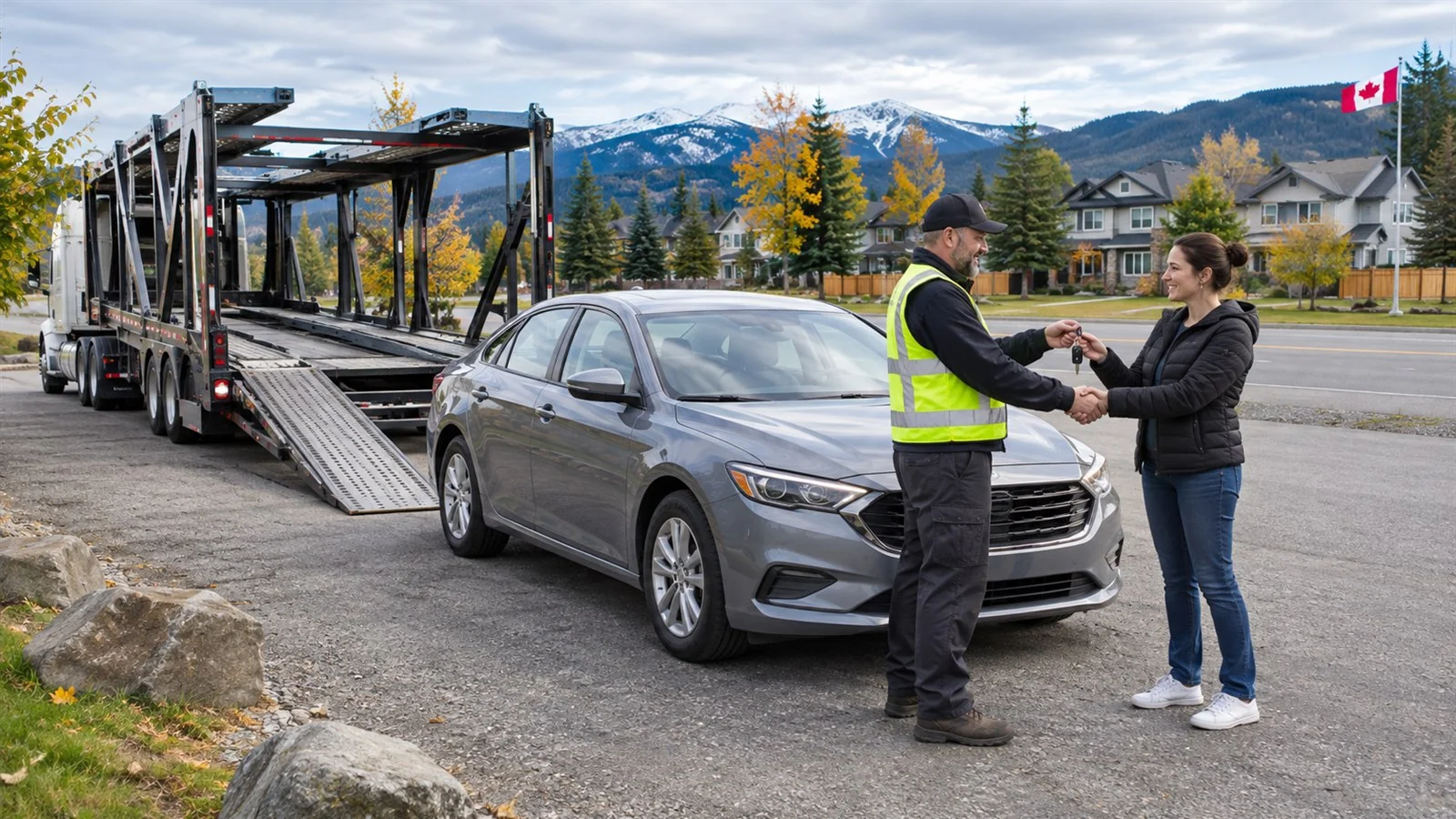
Door-to-door generally refers to pickup and delivery as close to the requested addresses as safely and legally possible. It does not mean every truck can enter a private driveway, underground garage, narrow street, gated community, or restricted loading zone.
Provide photos, height restrictions, street width concerns, steep approaches, and parking rules before booking. Ask the carrier to confirm whether the exact address is serviceable or whether the handoff will need to occur nearby.
When a terminal or meeting point can help
A terminal option or agreed meeting point can help when a residence is difficult to access, the pickup site has limited hours, or the vehicle owner cannot meet a carrier at the original address. It can also make the loading area easier to identify.
Confirm where the vehicle will be held, what hours apply, whether storage or handling charges are included, and who is responsible for moving it between the address and terminal. The phrase 'terminal' can refer to different facilities, so get the exact location and process.
Compare convenience with total cost and timing
Door-to-door may reduce the customer's extra travel, while a terminal handoff may require a separate trip. The price and timing depend on the specific service, route, and carrier schedule. Compare the complete scope, including any local shuttle, waiting, or storage fee.
If you have a strict schedule, ask for the current pickup and delivery windows and what is confirmed. Do not assume a terminal is open outside its posted hours or that a driver can arrive without an appointment.
Plan the person-to-person handoff
Identify who will release and receive the car, provide their direct phone numbers, and make sure they can be present. Confirm whether the receiver must show identification, sign a condition report, or bring a key or document.
For a dealer or auction, include gate instructions and receiving hours. For a private move, have a backup contact and confirm the meeting point with both parties before the carrier is dispatched.
Choose based on the actual address
The best option is the one that works with the vehicle, carrier, and real access conditions. Provide exact addresses and restrictions, then ask Fleet X Direct to coordinate available handoff choices for the lane.
Once the plan is accepted, keep the agreed pickup and delivery locations in the booking confirmation. If access changes, notify the coordinator before the truck arrives.
Will a car carrier enter my condo garage?
Only if the truck can meet the garage's height, width, ramp, and safety requirements. A nearby street-level handoff may be needed.
Does terminal delivery always cost less?
Not necessarily. Compare the quote, terminal handling, any storage, and your travel to and from the facility.
Can a carrier deliver to a rural address?
Possibly, if the road and property are suitable for the equipment and route. Share road, turning, surface, and seasonal access details before booking.
Plan your vehicle shipment
Send your pickup, vehicle, and delivery details to the Fleet X Direct team.
Discuss a shipment