Vehicle equipment and preparation 3 min read
Electric Vehicle Transport in Canada: Questions to Ask Before Pickup
Electric vehicles can be transported by road, but a carrier needs accurate information about the specific unit. Running status, battery condition, damage, ground clearance, vehicle dimensions, and access affect acceptance and loading. Fleet X Direct coordinates transport options subject to carrier requirements and availability. Use these questions to make your EV quote request more complete.
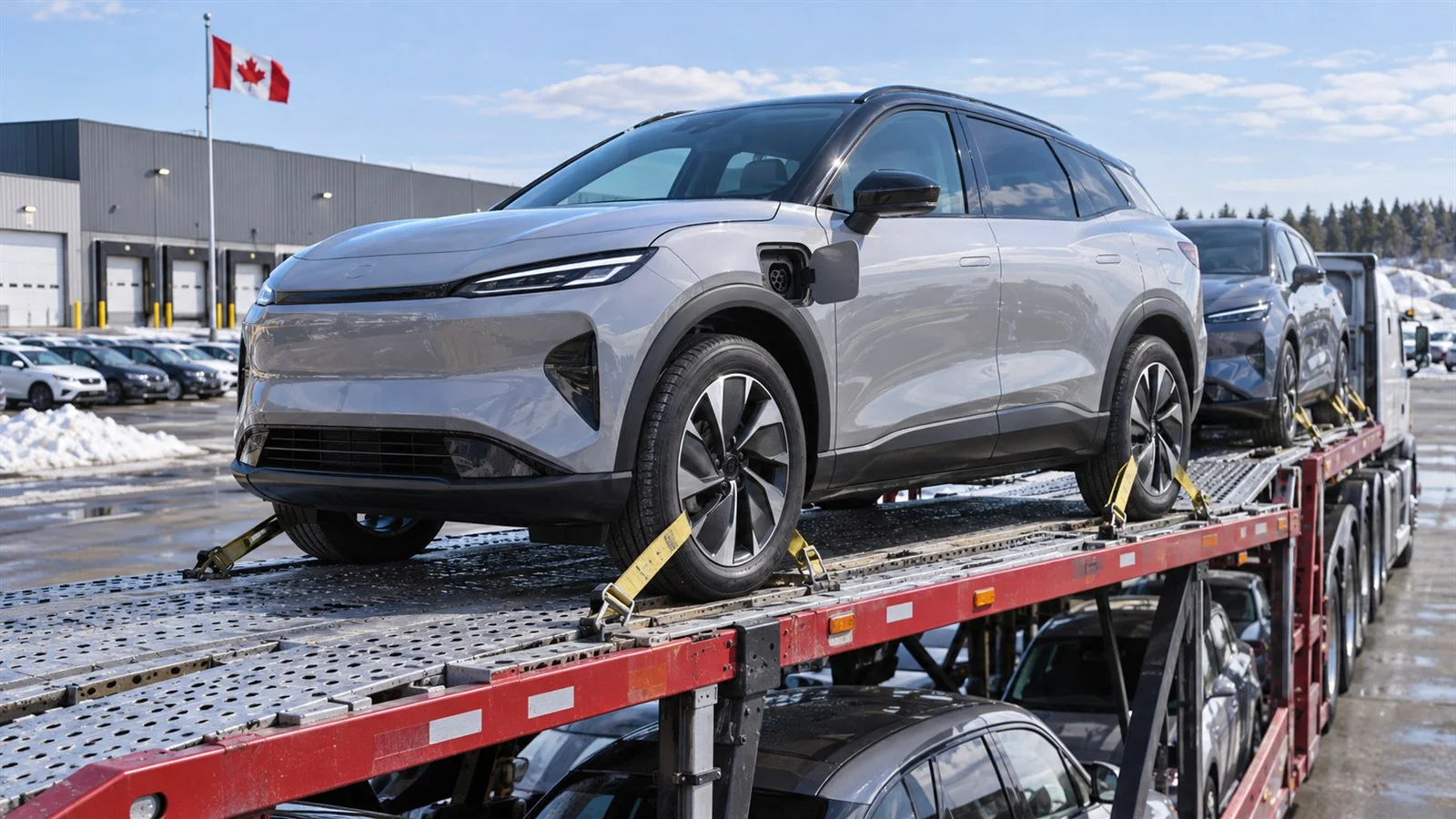
Disclose the battery and vehicle condition
State whether the EV is operational, whether it starts and can move, and whether there is any battery warning, damage, overheating history, collision involvement, or water exposure. A damaged or compromised battery must not be described simply as a vehicle that will not start.
Follow the actual carrier's current acceptance rules. Requirements can differ between a normal operating EV and a unit with battery damage or a safety alert. Do not assume the transport method is approved until the provider has reviewed the details.
Share dimensions, clearance, and key information
Provide the VIN, year, model, approximate dimensions, ground clearance, running condition, and whether keys are available. Mention modified suspension, body kits, flat tires, or steering and braking issues. Photos can clarify unusual dimensions or damage.
Tell the carrier whether the EV can be placed in transport mode or neutral if those instructions are relevant, but follow the vehicle manufacturer's guidance and do not attempt a procedure you are unsure about. Confirm who will prepare the vehicle.
Ask which equipment and route are acceptable
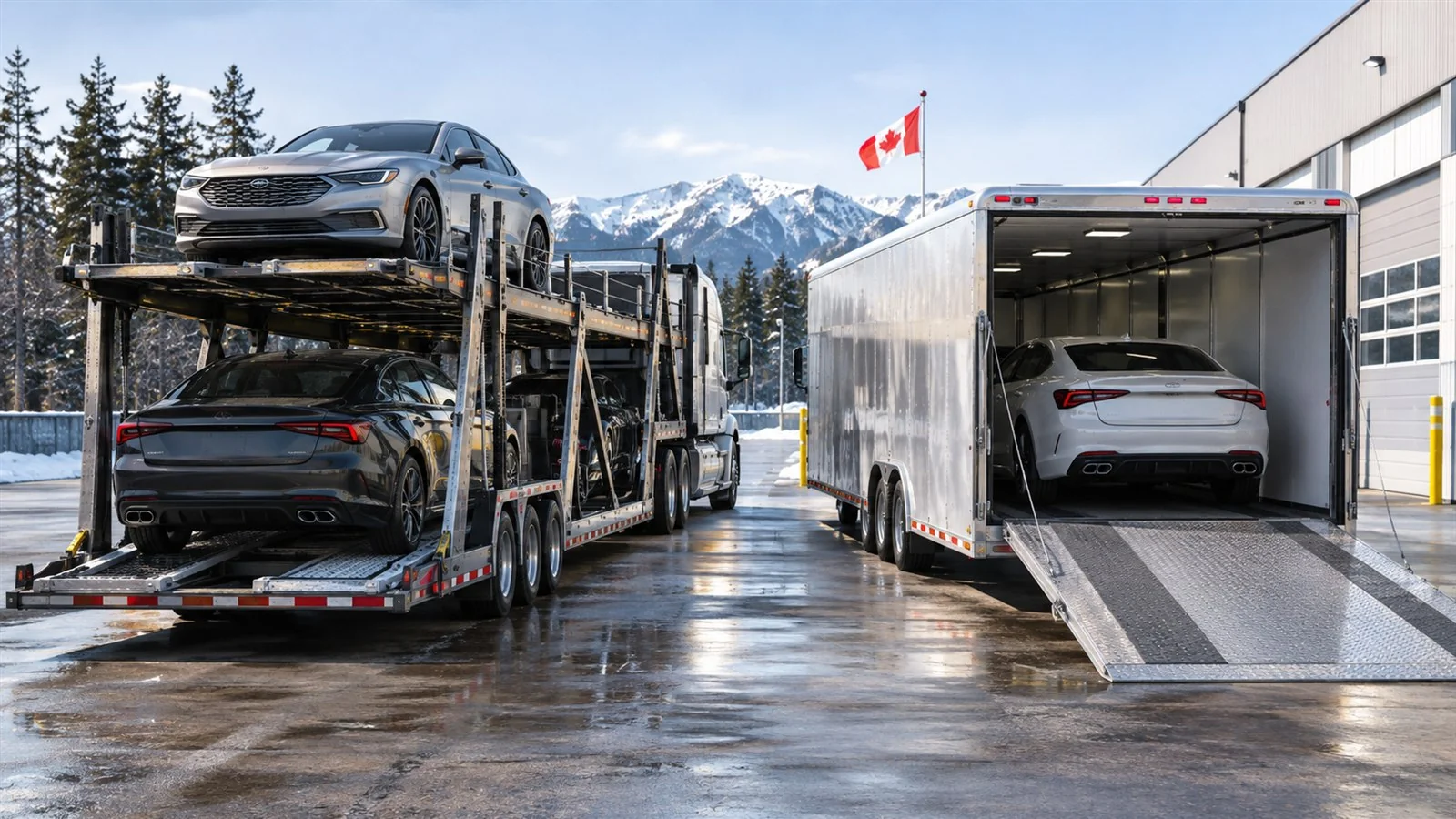
Standard open transport may be considered for an undamaged, operable EV that fits the trailer and carrier rules. Enclosed or flatbed arrangements may be reviewed for protection, low clearance, non-running status, or access needs. Each option is subject to route and capacity.
Ask the coordinator to confirm the selected equipment and any restrictions in writing. If the EV is damaged or inoperable, make sure that condition is included in the quote before dispatch.
Prepare the pickup and delivery contacts
Confirm the seller or facility can release the vehicle, keys are available if needed, and the receiver can accept it. Share gate instructions, operating hours, and access details. If charging or a specific state of charge is required by the carrier, use the carrier's written instructions rather than a generic assumption.
At pickup and delivery, document the vehicle's visible condition and retain the transport paperwork. If a warning or concern appears, record it and follow the carrier's reporting process.
Keep transport, charging, and coverage questions distinct
A road transport quote answers how the vehicle will move and what is included in that service. It does not automatically answer charging, storage, battery warranty, or insurance questions. Confirm those items with the relevant provider and review coverage limits and exclusions separately.
Fleet X Direct coordinates vehicle transportation. The carrier's acceptance rules, the vehicle manufacturer's instructions, and any coverage documents remain important to the final plan.
Can an electric car be shipped on an open carrier?
It may be accepted when the vehicle is in suitable condition and fits the carrier's rules. Disclose battery condition, damage, and operating status and confirm the specific service before booking.
Can a damaged EV be transported?
It requires explicit review because battery or collision damage can affect safety and carrier acceptance. Provide full details and follow the carrier's instructions.
Should I charge the EV before pickup?
Follow the booked carrier's written preparation requirements and the vehicle manufacturer's guidance. Requirements can vary by operator and condition.
Plan your vehicle shipment
Send your pickup, vehicle, and delivery details to the Fleet X Direct team.
Discuss a shipment