Vehicle equipment and preparation 3 min read
Canadian Vehicle Shipping Checklist: Photos, Keys, and Pickup Details
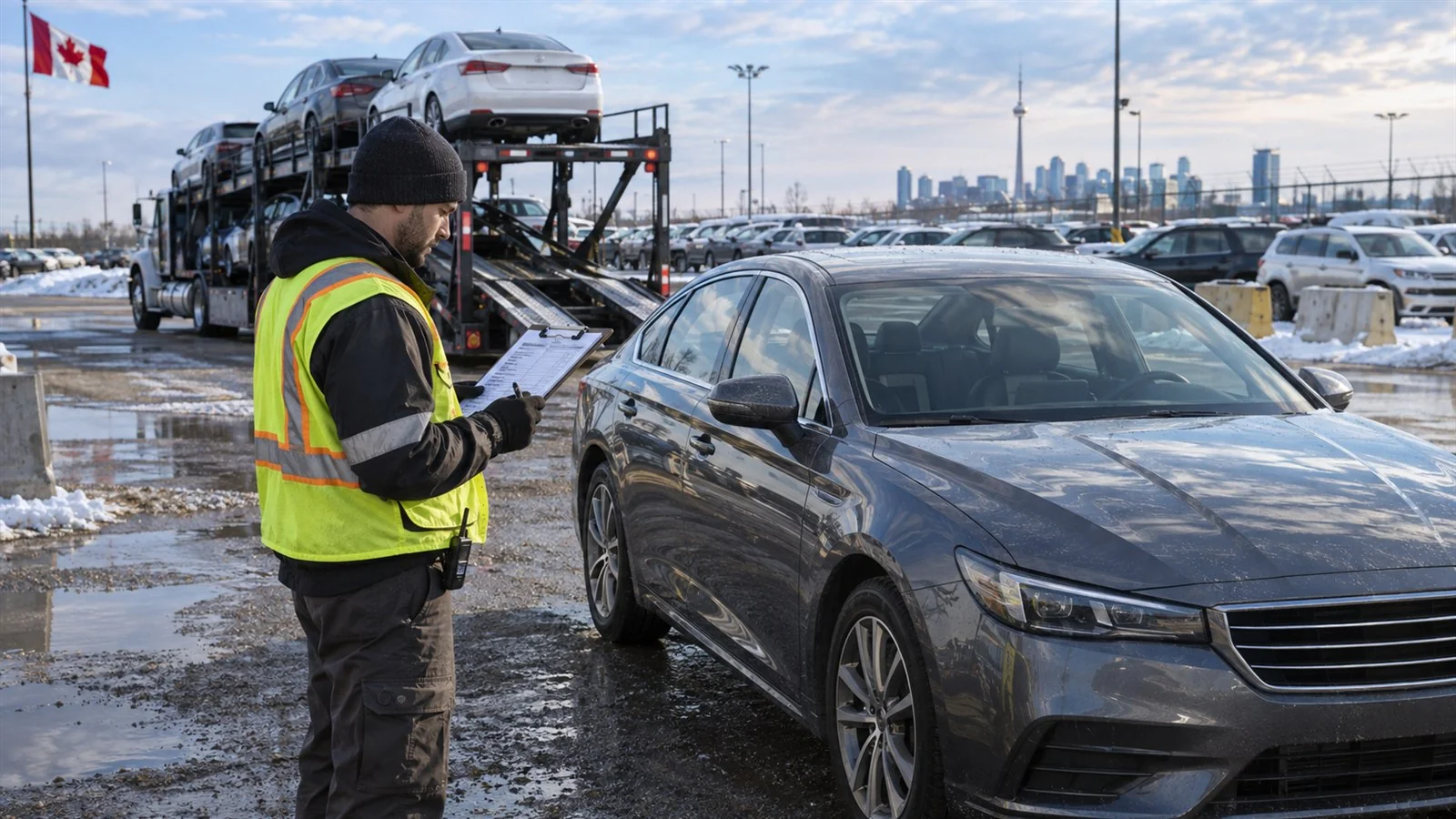
A few details confirmed before dispatch can prevent a missed pickup or an equipment mismatch. Whether a dealer is moving auction inventory or an individual is shipping a car across provinces, prepare the release information, vehicle condition, contacts, and access plan before the carrier arrives. Use this checklist with Fleet X Direct when requesting or confirming a vehicle transport option.
Vehicle identity and condition
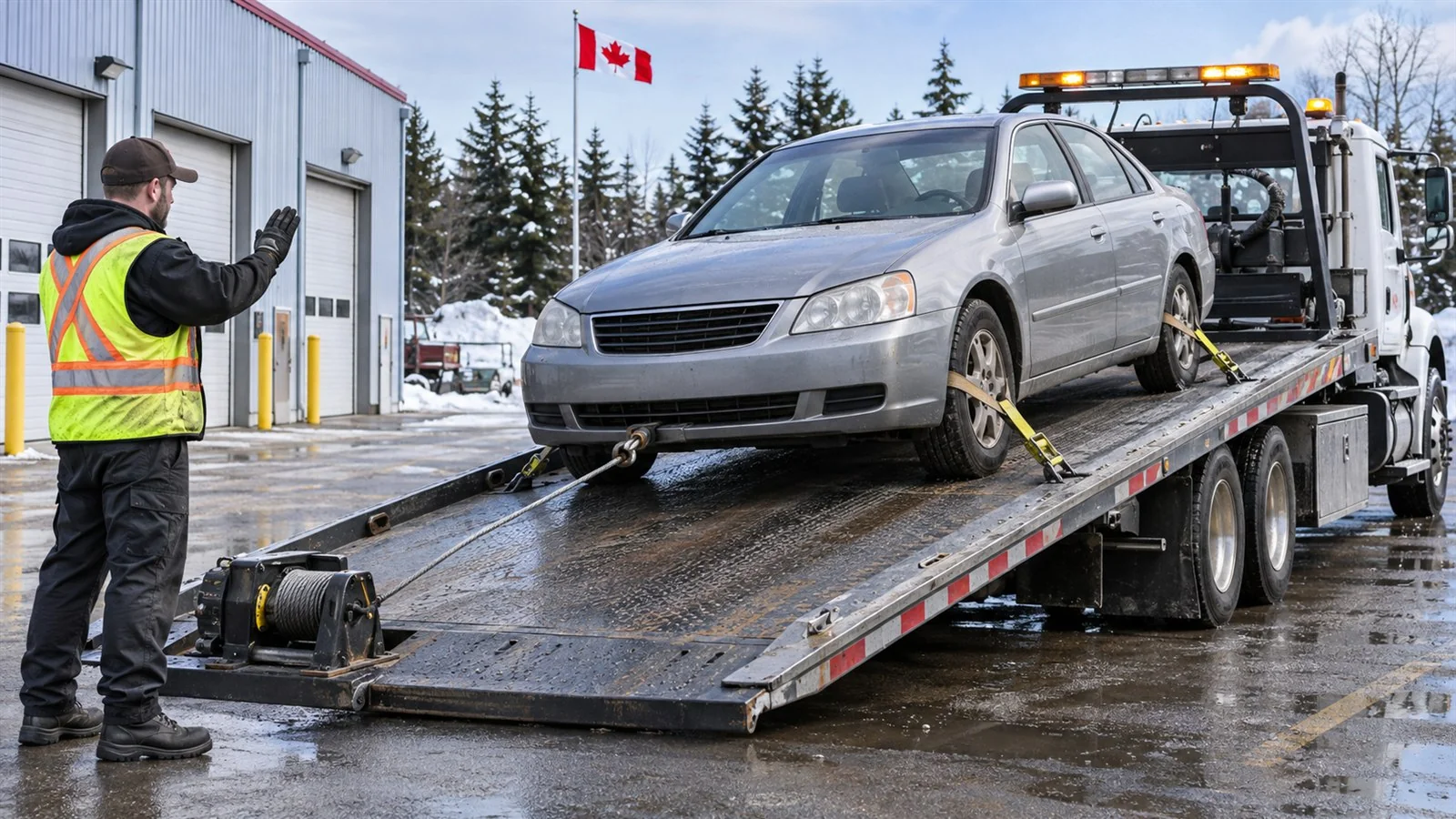
Confirm the VIN, year, make, model, and any stock or auction reference. Describe whether the vehicle starts, steers, brakes, and rolls. Disclose flat tires, missing keys, damage, leaks, modifications, low clearance, or battery concerns.
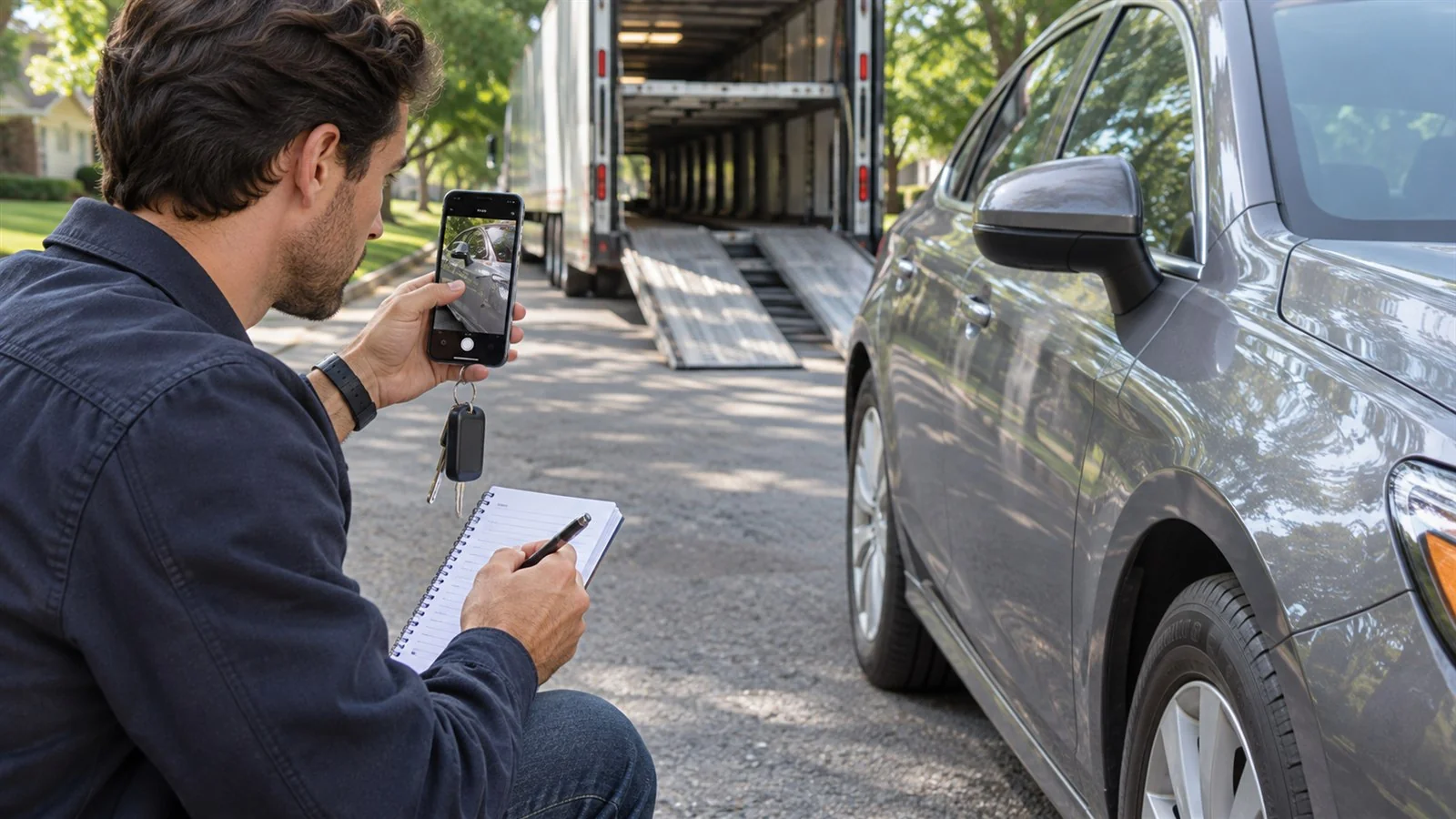
Take clear photos of all sides, wheels, glass, interior if relevant, and visible damage. Photos help record the vehicle's state but do not replace the carrier's inspection or the transport document.
- VIN and the correct pickup location.
- Current running condition, keys, and any loading issue.
- Dimensions or clearance notes for modified vehicles.
- Photos that show existing marks and damage.
Pickup authorization and facility access
Confirm payment and release status with the seller, auction, or dealer. Provide required gate passes, appointment instructions, pickup hours, release contact, and the person authorized to hand over the keys. A vehicle that is not released cannot be collected just because a carrier has arrived.
Check access for the actual equipment. Note gate width, garage height, steep ramps, narrow roads, restricted loading zones, and seasonal conditions. If direct access is not suitable, agree on a meeting point beforehand.
Delivery contact and receiving plan
Identify the person who will accept the vehicle and provide a direct phone number. Confirm the destination address, access hours, parking or unload space, and an acceptable delivery window. If the primary receiver is unavailable, name an authorized alternate.
For dealerships, make sure intake staff know which VIN is arriving and can match the transport document to the stock record. For a private shipment, ensure someone can inspect and sign at the planned handoff.
Vehicle preparation
Follow the booked carrier's instructions for keys, alarms, charge or fuel, removable accessories, and loose items. Remove personal belongings unless the service expressly permits them. Do not make changes to the vehicle that could affect loading without notifying the coordinator.
Keep purchase, ownership, release, and transport documents available to the appropriate party. Avoid placing irreplaceable documents or valuables inside the vehicle.
At pickup and delivery
At pickup, verify the VIN, review the condition report, and keep a copy. If the vehicle's condition differs from what was quoted, tell the coordinator before loading. At delivery, inspect the car before signing, note any concern on the paperwork, and take clear photos.
A complete record makes it easier to follow the shipment from release through receipt. Keep the quote, confirmation, messages about schedule changes, and final delivery receipt in one place.
Do I need to wash the vehicle before transport?
Follow the carrier's instructions. A reasonably visible exterior can make condition documentation easier, but do not risk unsafe preparation or violate the booked service rules.
Can I leave a child seat or personal items inside?
Ask the carrier before pickup. Personal items and accessories may be restricted or treated differently from the vehicle itself.
What if the vehicle's condition changes after I get a quote?
Notify the coordinator before dispatch. New damage, mechanical issues, or a change in running status can affect acceptance and equipment.
Plan your vehicle shipment
Send your pickup, vehicle, and delivery details to the Fleet X Direct team.
Discuss a shipment