Vehicle equipment and preparation 3 min read
Shipping a Classic or High-Value Car Across Canada
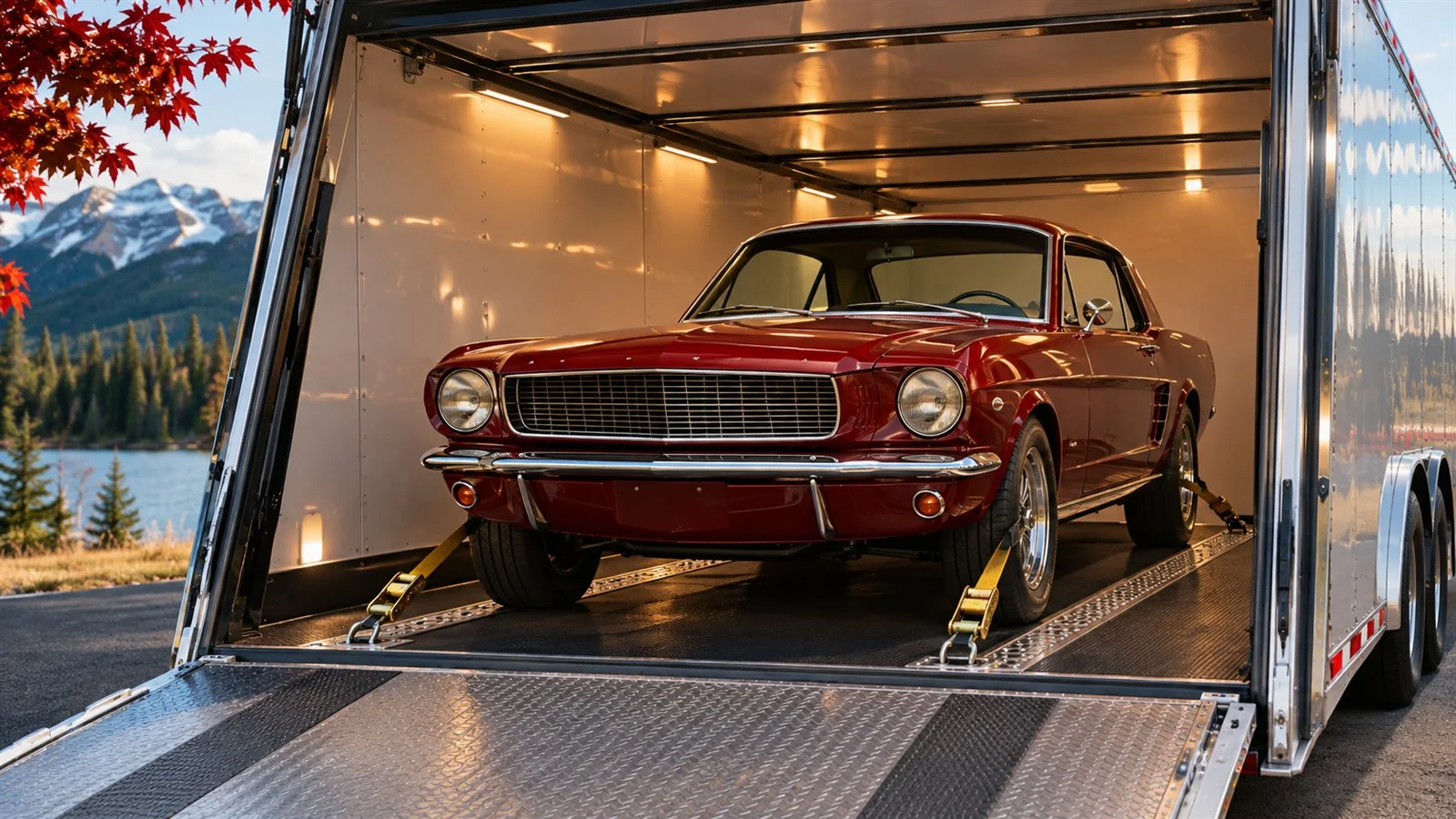
A classic or high-value car often deserves a more deliberate transport plan than a routine daily driver. The vehicle may have low clearance, custom parts, delicate finishes, or a value that makes the owner prefer enclosed equipment. Fleet X Direct can coordinate available options based on the route and carrier fit; the owner should document condition and review coverage before booking.
Document the car before it moves
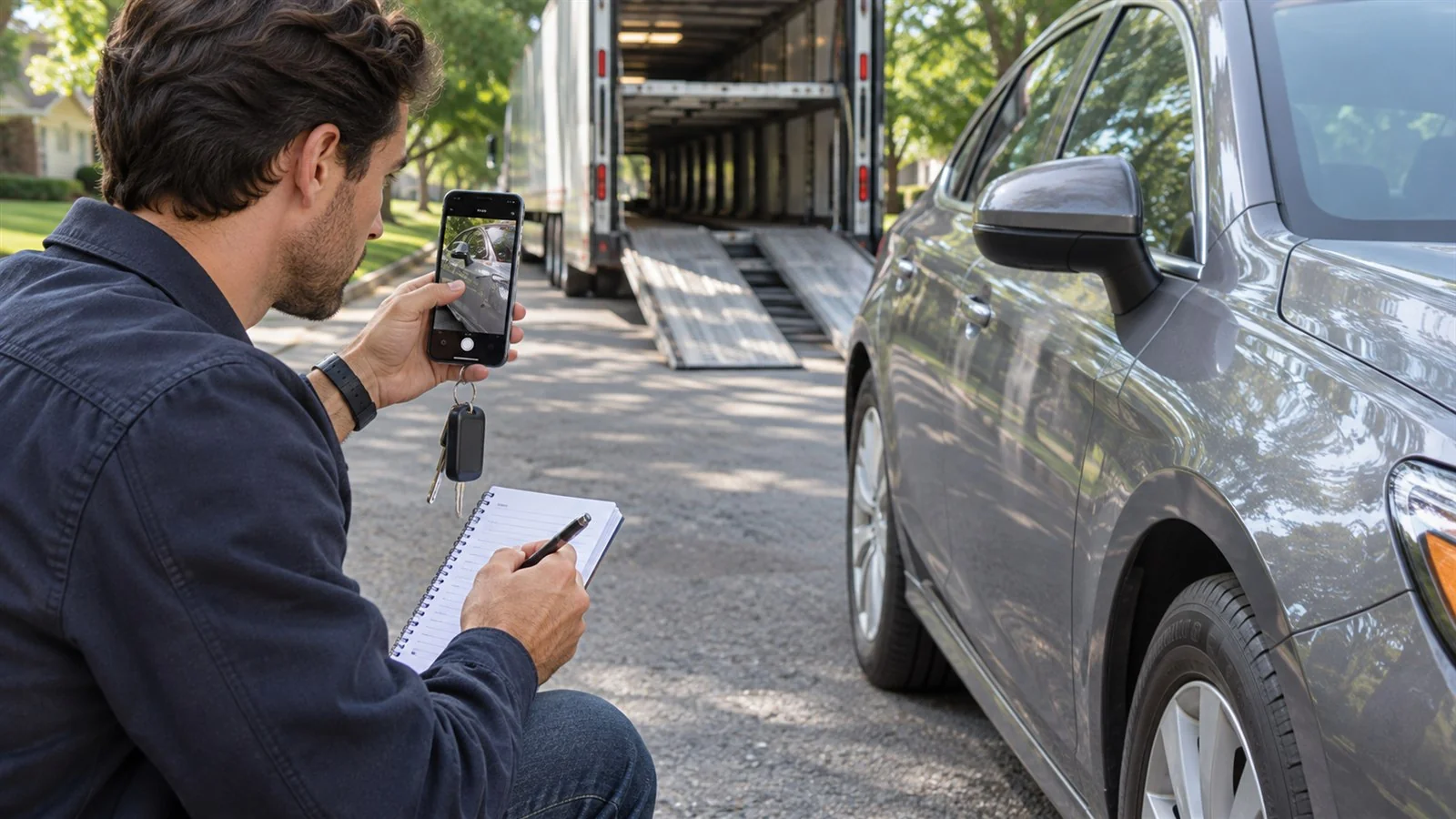
Record the VIN, year, model, modifications, approximate dimensions, running condition, and declared value requested by the service provider. Take clear photographs of every side, wheels, glass, interior if relevant, and existing imperfections. Keep the images with your transport agreement.
Describe any low front splitter, custom suspension, oversized tires, non-standard loading point, or mechanical limitation. The vehicle's appearance alone may not reveal the clearance and loading requirements.
Ask whether enclosed equipment is available
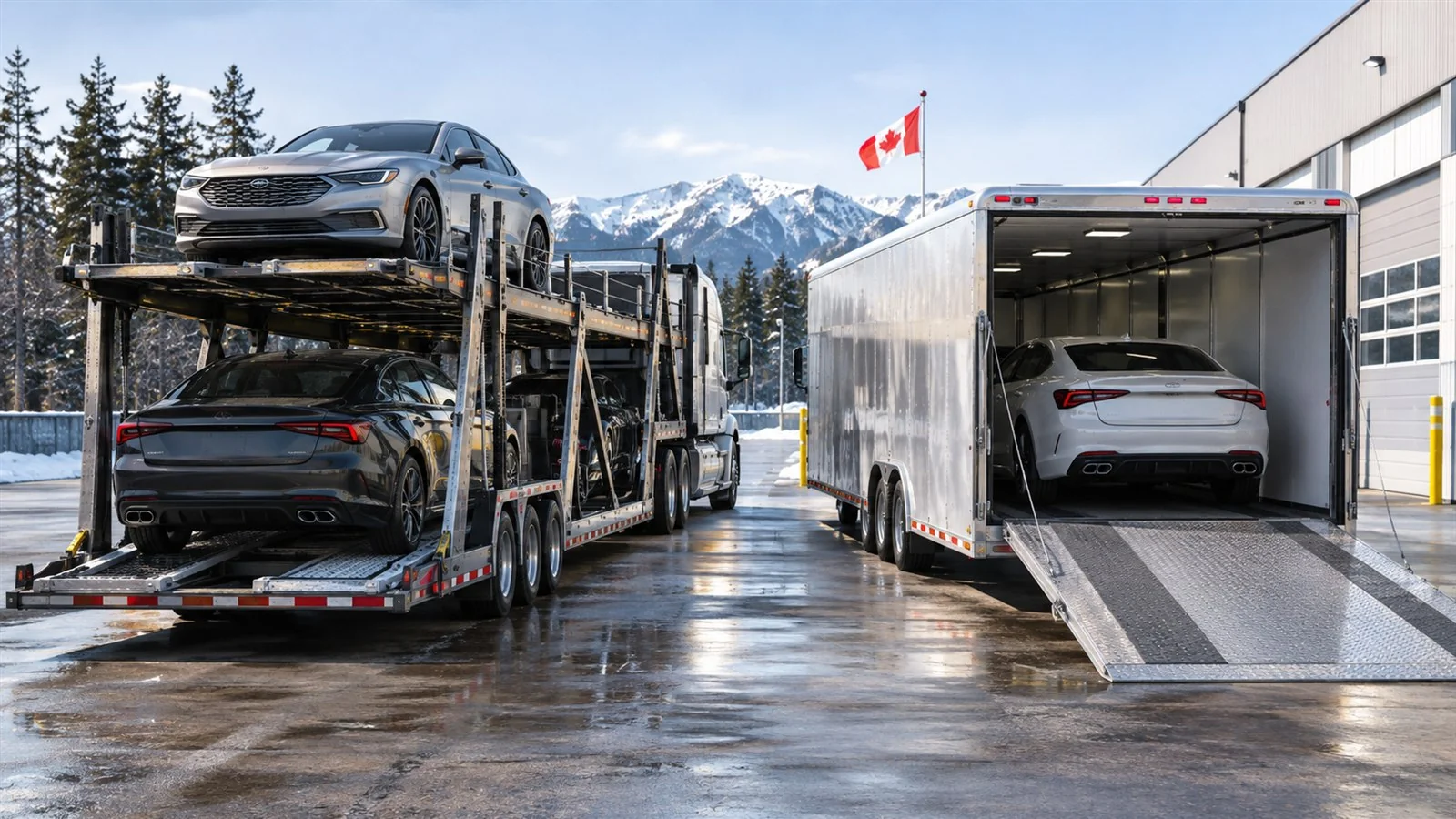
Enclosed transport can reduce exposure to weather and road debris and may fit an owner's protection preference. Confirm that it is available for the actual lane, that the trailer can accommodate the car, and that the loading method suits its ground clearance.
If enclosed capacity is not available, compare the alternatives and timing rather than assuming a standard open carrier is equivalent. Ask for the equipment type and any handling detail to appear in the booking confirmation.
Review insurance and carrier terms carefully
Transport equipment and insurance are separate. Ask what coverage applies, who issues it, what limits and exclusions apply, how a claim must be reported, and what documentation is needed. Review the actual policy or certificate rather than relying on a general phrase such as 'fully insured.'
Make sure the declared value matches the provider's requirements. Keep appraisals or purchase records available if needed, and ask whether modifications or stored accessories affect the terms.
Prepare the vehicle and loading area
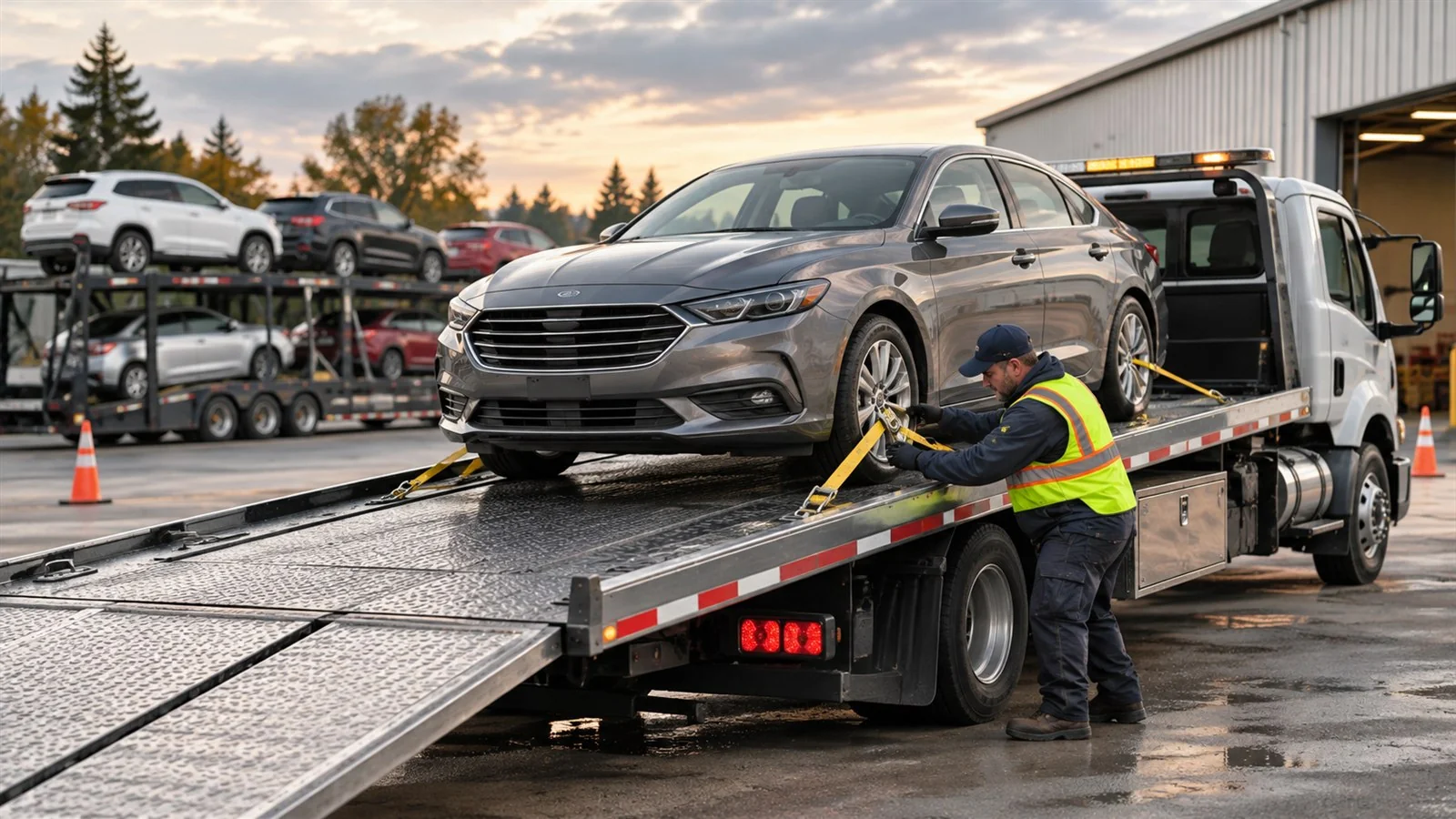
Follow the carrier's written preparation instructions for keys, alarm, charge or fuel, removable items, and cleanliness. Do not add spare parts or personal items unless explicitly approved. Make sure the pickup and delivery locations have space for the trailer and an acceptable unloading surface.
A very low vehicle may need a specific ramp angle or other loading aid. Share measurements and photos of the approach at both addresses so the carrier can review the setup.
Use a careful handoff at pickup and delivery
Walk around the vehicle with the carrier or authorized contact, compare existing condition with the transport record, and keep a copy. At delivery, inspect before signing and photograph any concern in good light. Report discrepancies promptly using the process in the carrier agreement.
The more precise the record, the easier it is to distinguish pre-existing condition from a transport concern. Fleet X Direct coordinates the move; the carrier's written contract and coverage documents define the applicable responsibilities.
Is enclosed transport available throughout Canada?
Availability depends on the lane, date, vehicle fit, and carrier capacity. Provide the route and vehicle details to request current options.
Does enclosed transport guarantee no damage?
No transport method should be treated as an absolute guarantee. Review the carrier agreement, coverage terms, preparation requirements, and condition documentation.
Can a low classic car be loaded on a carrier?
It may be possible with suitable equipment and a safe loading angle. Share ground-clearance measurements and photos before confirming the booking.
Plan your vehicle shipment
Send your pickup, vehicle, and delivery details to the Fleet X Direct team.
Discuss a shipment